明治大学 植物線虫学研究室ー新屋研究室
  • HOME
  • Member
  • Research
  • Achievement
    • Publications
    • Presentations
  • Gallery
    • 2025 研究室の日常風景
    • 2024 研究室の日常風景
    • 2023 研究室の日常風景
    • 2022 研究室の日常風景
    • (旧)研究室の日常風景
  • 募集
  • ENGLISH
    • People
  • 過去のNews
  • Contact
  • Lab meeting Schedule
  • Lab Jobs

Shinya Lab.

Meiji University

We are interested in the cause and consequences of differences in shape, behavior, and life history. Our research is conducted with microscopic worms "nematodes". 
画像
Ryoji Shinya, Ph.D. (PI)
shinya[at]meiji.ac.jp
Ryoji Shinya is an Associate Professor in the School of Agriculture at the Meiji University, Japan. He graduated from Obihiro University of Agriculture and Veterinary Medicine in 2007 and joined the Graduate School of Agriculture at Kyoto University for his Ph.D., which he received in 2012. During his Ph.D. project, he worked on uncovering the molecular mechanisms of how the pine wood nematode Bursaphelenchus xylophilus causes pine wilt disease using genetics, proteomics, and plant pathological approaches. As a postdoctoral fellow in the Dr. Koichi Hasegawa laboratory at Chubu University, Japan, and Dr. Paul W. Sternberg laboratory at Caltech, USA, he has learned C. elegans biology and attempted to apply the techniques established in C. elegans to other nematodes, especially the fungal-feeding and plant-parasitic nematodes. His research has been to establish a new laboratory model system using B. okinawaensis. After his postdoctoral work in the US, he returned to Japan when he joined the Meiji University as a faculty in 2017. He is an Investigator with the JST PRESTO, with whom he joined in 2017. 

Our research​​​.

Nematodes have successfully adapted to nearly every ecological niche and developed various unique morphological and ecological traits. These peculiar biological characteristics have been acquired through long-term evolution of their genes. The aim of our research is to understand the genes controlling such nematode-specific functions, especially in parasitic nematodes, and apply this genetic knowledge to the controlling of parasitic nematodes. The free-living, bacteria-feeding nematode Caenorhabditis elegans has become a genetic model organism in biology, and from it we have accumulated an enormous amount of molecular information. However, most economically relevant parasitic nematodes are phylogenetically distant from C. elegans, and have highly specialized characteristics. Even more unfortunately, most of the genetic techniques and tools developed in C. elegans research are not directly applicable to the majority of other nematodes due to these differences. Therefore, the molecular mechanisms underlying highly specialized traits in parasitic nematodes such as parasitism (feeding) and their sexual reproductive systems are not well understood. Our research is focused on developing genetic systems and tools that can be applied to a broad range of nematodes, especially plant-parasitic nematodes, and analyzing the mechanisms of how their genes control the aspects of their sexual reproductive systems, e.g. sex determination and mating behavior, and of their parasitism, e.g. virulence factors and vector transmission, by using integrative approach encompassing genomics, genetics, transgenic technology, behavior, chemical ecology, and ecology. 

Current projects​​:
​

・Sex determination mechanisms of plant-parasitic nematodes (Bursaphelenchus and Meloidogyne)
・Mating behavior and sex pheromone of (plant-parasitic) nematodes (Bursaphelechus and C. elegans)
・​Establishing a new genetically tractable system using Bursaphelenchus okinawaensis 
・Dauer (dispersal) stage formation and recovery mechanisms of Bursaphelenchus nematodes 
・Molecular mechanisms of the pine wilt disease
画像
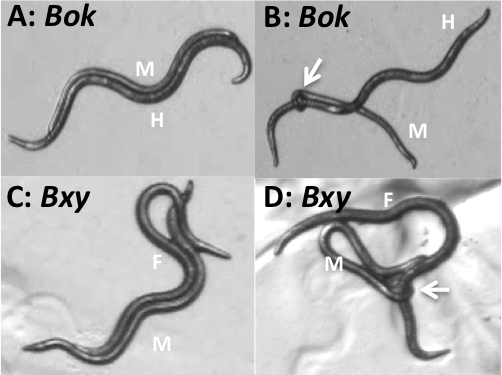
Mating behavior of Bursaphelenchus nematodes (Shinya et al., 2015, J. Nematol.)
画像
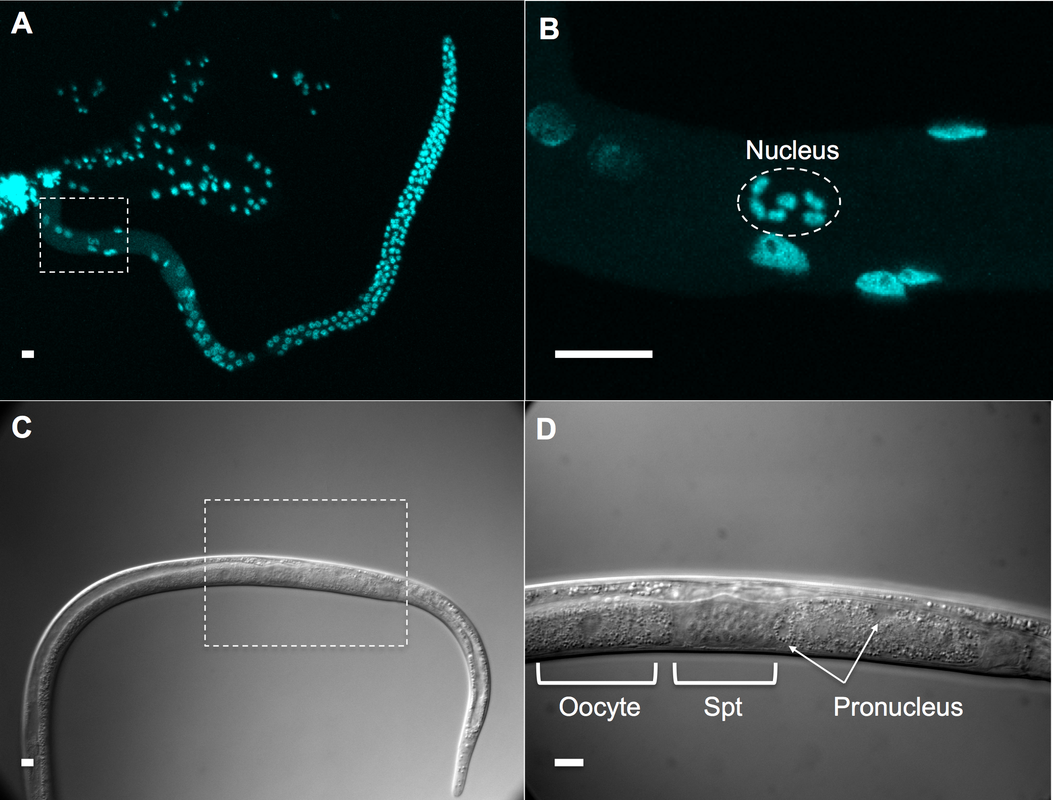
The germ line of Bursaphelenchus okinawaensis (Shinya et al., 2014, G3)
画像
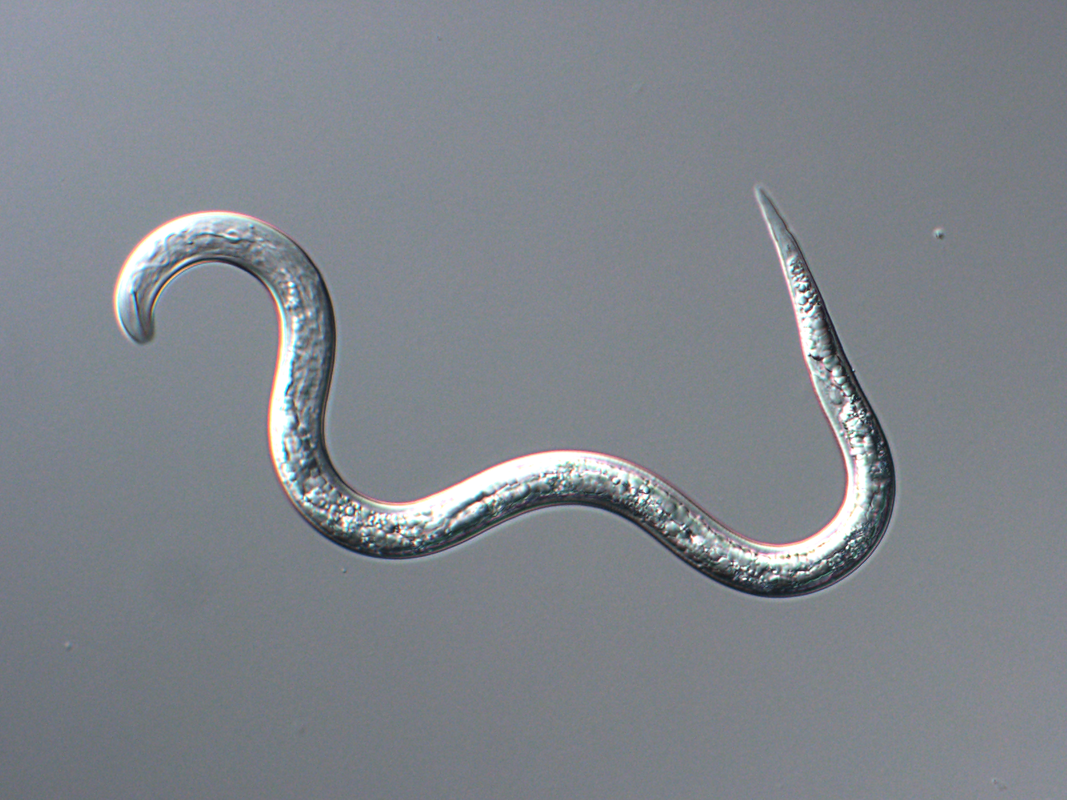
Infective second-stage juvenile (J2) of root-knot nematode

Contact us. 


1-1-1 Higashi-Mita, Tama-ku, Kawasaki-shi, Kanagawa 214-8571
Nematology lab. School of Agriculture, Meiji University
Tel: +81-44-934-7818
​e-mail: shinya[at]meiji.ac.jp 


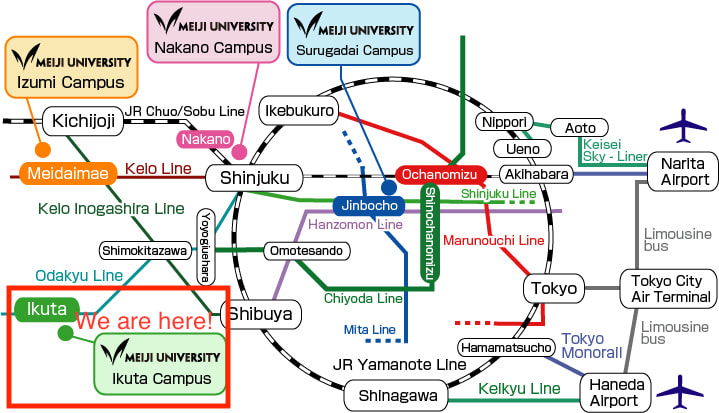
You can find us through the following link:
http://www.meiji.ac.jp/cip/english/about/campus/ik_campus.html
画像
のシステムを使用 カスタマイズできるテンプレートで世界唯一のウェブサイトを作成できます。
  • HOME
  • Member
  • Research
  • Achievement
    • Publications
    • Presentations
  • Gallery
    • 2025 研究室の日常風景
    • 2024 研究室の日常風景
    • 2023 研究室の日常風景
    • 2022 研究室の日常風景
    • (旧)研究室の日常風景
  • 募集
  • ENGLISH
    • People
  • 過去のNews
  • Contact
  • Lab meeting Schedule
  • Lab Jobs